
Ohne Nadel, ohne 1.200 €:
vor 2 Tagen | Von Michaela Fuhrmann, Redakteurin Bereich Gesundheit & Leben
Warum diese innovative Kapsel seit Oktober 2025 zu den beliebtesten Abnehmpräparaten am Markt gehört – als nebenwirkungsfreie Alternative zu Wegovy®-Injektionen (Semaglutid).
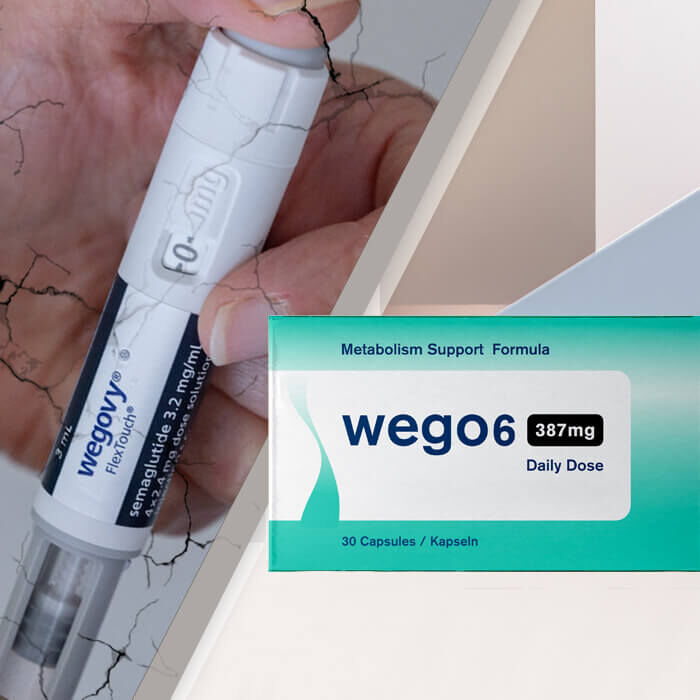
Als nebenwirkungsfreie Kapsel-Alternative zu Wegovy® wird derzeit WEGO6 gehandelt.
Es begann mit ein paar Instagram-Stories...
...dann explodierte das Internet: Eine innovative Kapsel mit dem Namen „WEGO6“ wird aktuell als die erste echte natürliche Alternative zu Wegovy®-Spritzen (Semaglutid) gefeiert.
Ohne Spritze, ohne Rezept und ohne monatlich Tausende Euro ausgeben zu müssen.
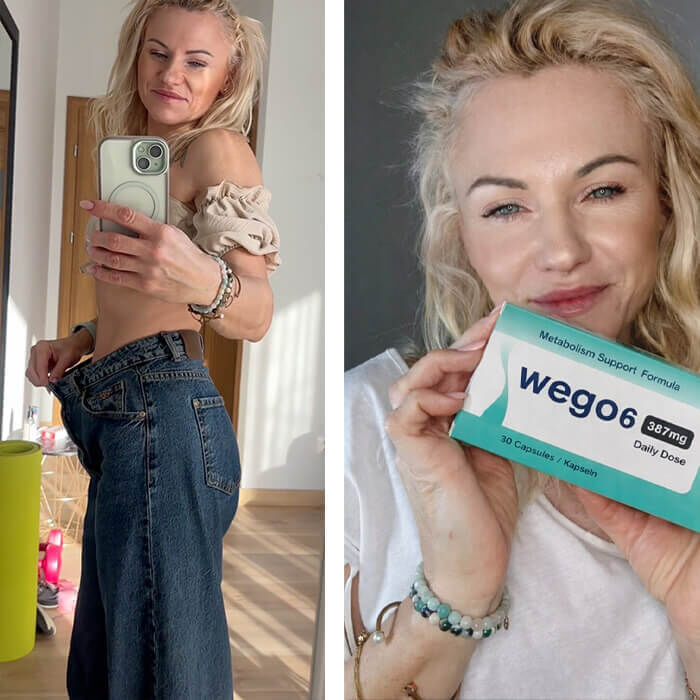
Innerhalb von nur sechs Wochen ist die Seite des Herstellers teilweise stundenlang nicht erreichbar.
Tausende Nutzer posten täglich ihre Ergebnisse: 10, 15, 20 Kilo weniger – und das bei vollständig normaler Ernährung und nur 2x Anwendung pro Tag.
Was sagen Ärzte? Kann eine Kapsel eine wirksame Alternative zu Wegovy®-Spritzen sein?
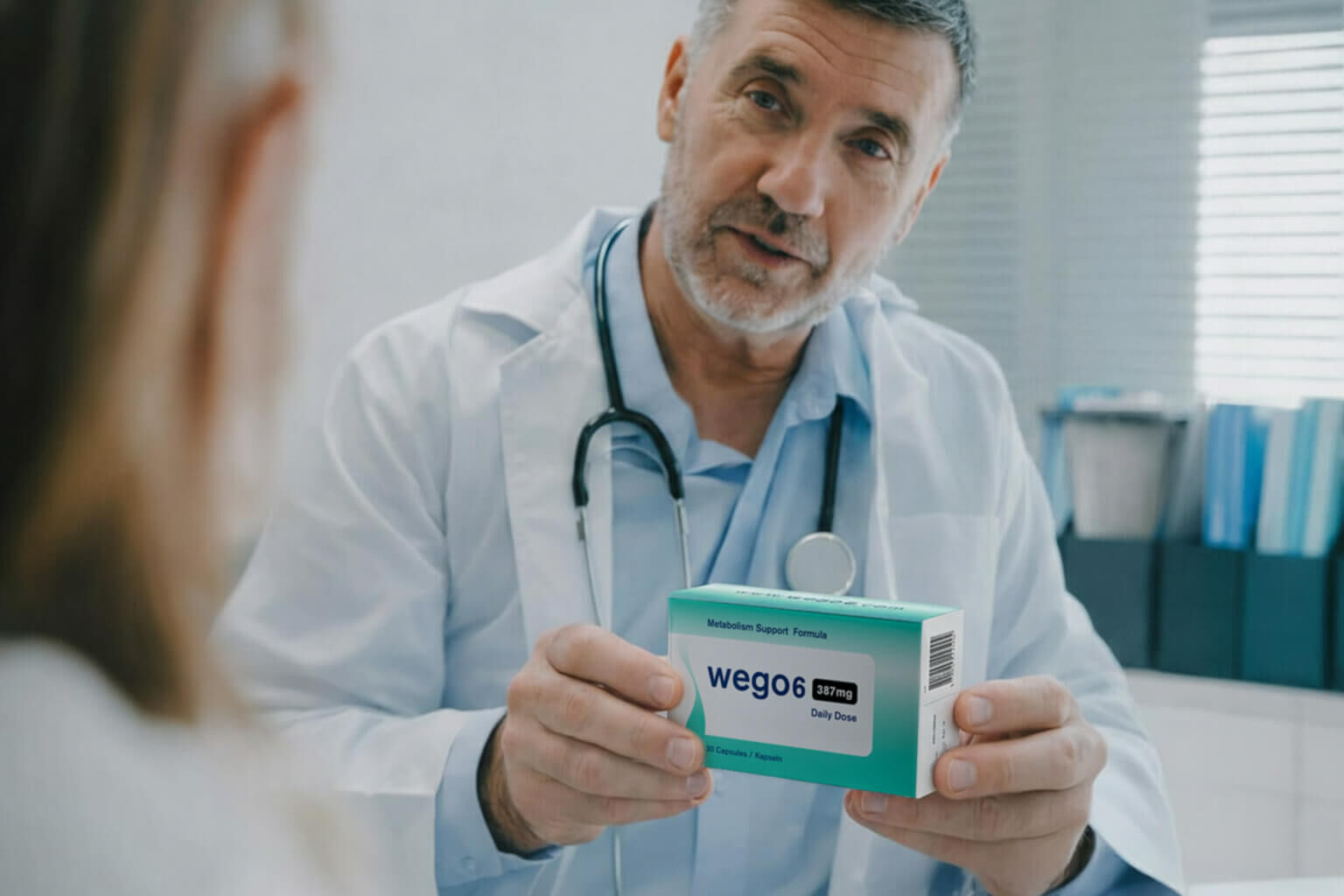
Der Endokrinologe Dr. Elias Schwarz testet WEGO6 seit Frühjahr 2025 in seiner Praxis an über 180 Patienten.
Die bisherigen (noch unveröffentlichten) Ergebnisse:
- Durchschnittlich 11,6 kg Verlust in 12 Wochen
- 9 von 10 Anwender:innen berichten von komplett verschwundenem emotionalem Essen und Heißhungerattacken
- Keine Nebenwirkungen wie Übelkeit, Erbrechen, Durchfall (bei Wegovy® sind i.d.R. 1 von 5 Anwender davon betroffen. Bei WEGO6 gibt es diese Nebenwirkungen nicht).
- Funktioniert auch bei PCOS, Schilddrüsenunterfunktion und über 55-Jährigen
Laut Dr. Schwarz basiert die Wirkung auf dem patentierten „MS-Phase-Komplex“:
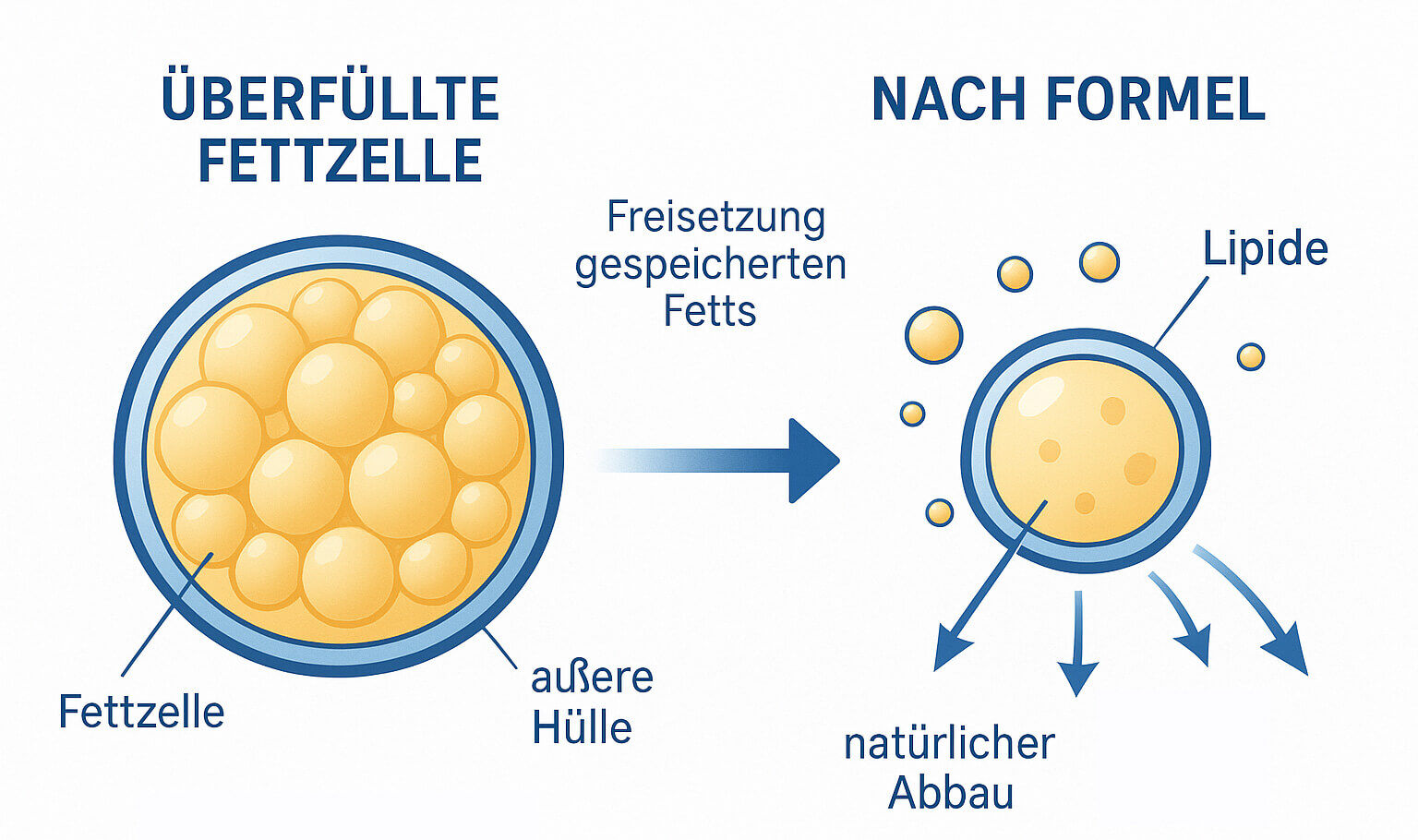
Die Formel löst gezielt die äußere Hülle überfüllter Fettzellen auf, sodass der Körper das eingelagerte Fett ganz natürlich abbauen und verbrennen kann – ohne den Stoffwechsel herunterzufahren wie es bei Wegovy®-Spritzen der Fall ist.
Ein zweiter Wirkstoff (ein hochkonzentriertes Derivat) blockiert die Ghrelin-Signale im Gehirn – der Appetit normalisiert sich von selbst.
(Anmerkung: Ghrelin ist das „Hungerhormon“, das im leeren Magen gebildet wird und dem Gehirn ständig „Iss jetzt! Am liebsten fett und süß!“ zuruft – genau deshalb werden Heißhungerattacken bei normalen Diäten immer schlimmer.)
Bereits über 100.000 Anwender seit Oktober 2025

Die erste Veränderung habe ich bereits nach der zweiten Woche gesehen.
Maja (24) aus Wuppertal (Nordrhein-Westfalen)
"Jahrelang habe ich vergeblich mit meinem Gewicht gekämpft, bis ich schließlich aufgeben wollte."
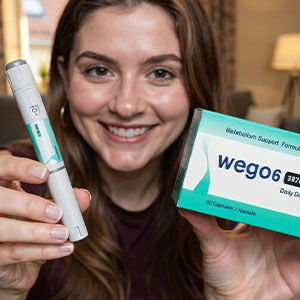
"WEGO6 wurde mir als Alternative zu Wegovy®-Spritzen empfohlen, da es den gleichen Effekt haben soll, aber deutlich weniger Nebenwirkungen hat. Und da ich eine riesige Angst vor Nadeln habe, kam die Spritze für mich nie infrage."
"Ich habe WEGO6 3 Monate lang genommen (1× täglich) und 24 Kilo verloren. Nebenwirkungen hatte ich überhaupt keine."
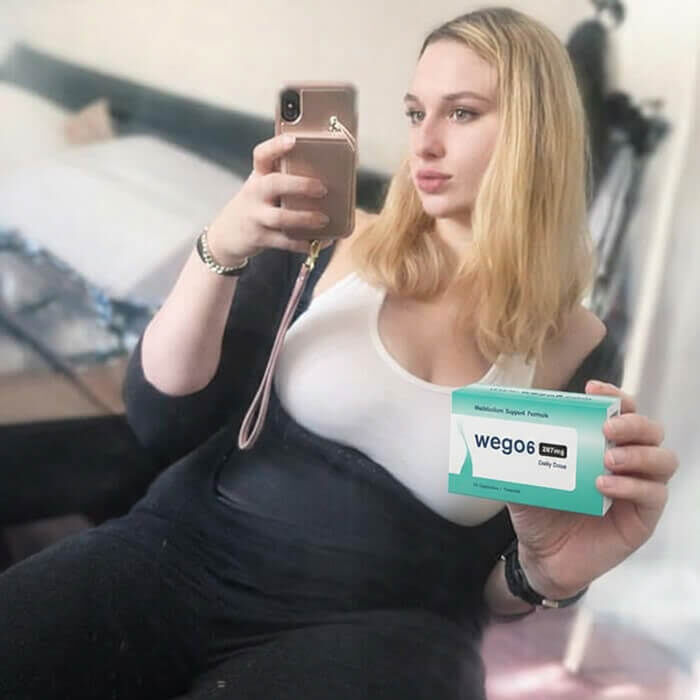
Maja nach 3 Monaten WEGO6
Warum gilt WEGO6 als natürliche Alternative zu Wegovy®?
Weil es genau die gleichen Sättigungs- und Fettabbau-Mechanismen aktiviert wie Semaglutid (Wegovy®), nur auf natürlichem Weg – ohne synthetische Injektionen, ohne Rezept und ohne die typischen starken Nebenwirkungen.
Statt wöchentlich eine Spritze in den Bauch zu setzen, reicht 1 Kapsel pro Tag. Eine Monatspackung kostet aktuell nur 55 € – statt 1.200 €+ wie bei Wegovy®.
Warum diese Kapsel alles in den Schatten stellt – laut Studien
Klinische Studien mit insgesamt 1.800 Teilnehmern wurden im Sommer 2025 veröffentlicht.
In einer weiteren Studie mit über 500 Personen verloren die WEGO6-Anwender im Durchschnitt 7,5 kg mehr pro Monat als die Kontrollgruppe.
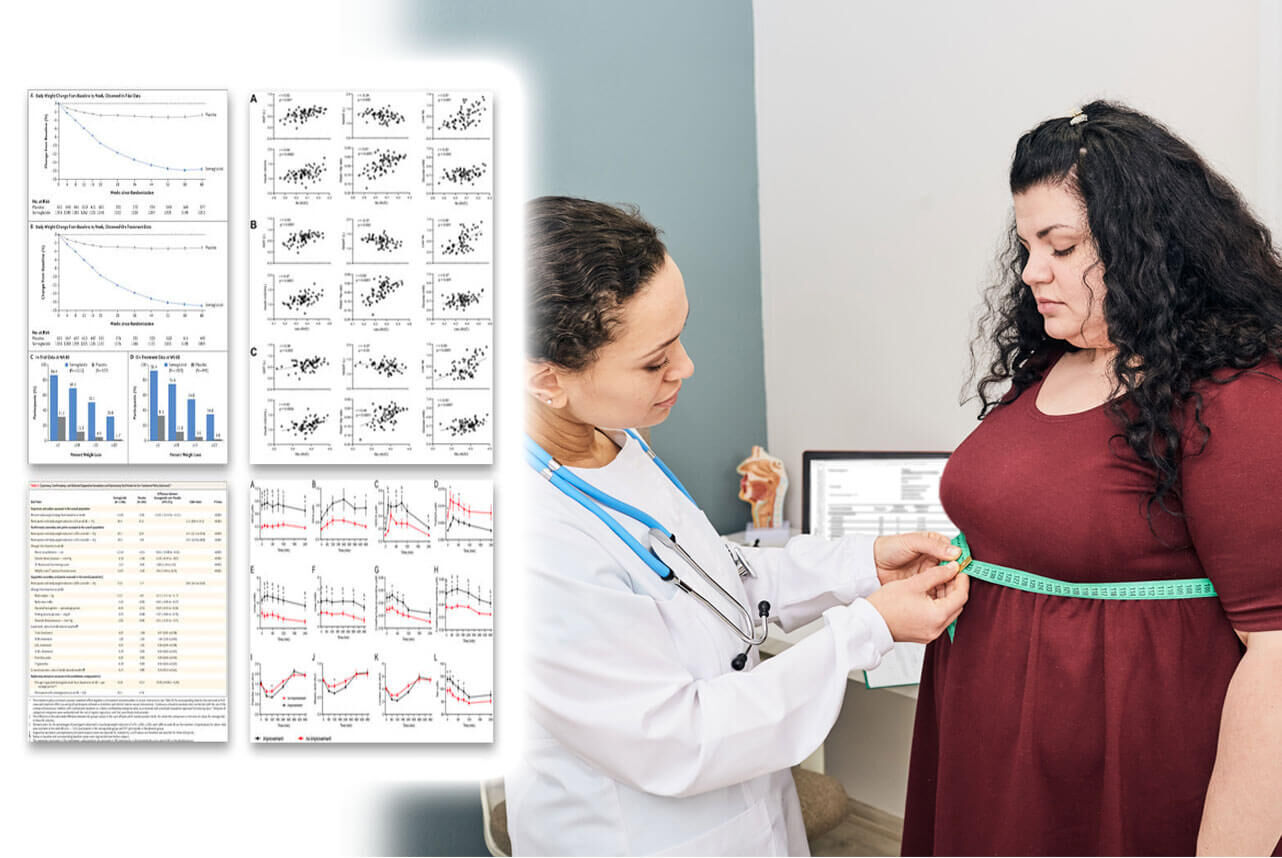
Auch dänische Studien mit 1.300 Teilnehmern zeigten eine durchschnittliche Reduktion von 8,3 kg pro Monat bei regelmäßiger Einnahme.
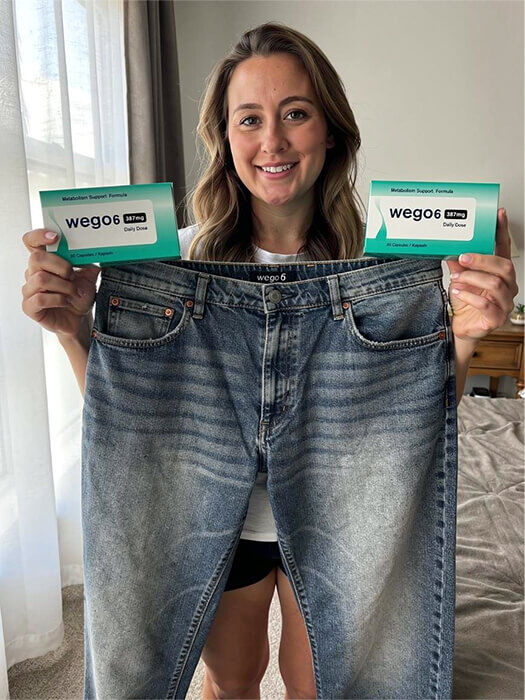
Anne-Marie (Lübeck) - 22 Kilo
Social-Media ist voll von Erfolgsgeschichten
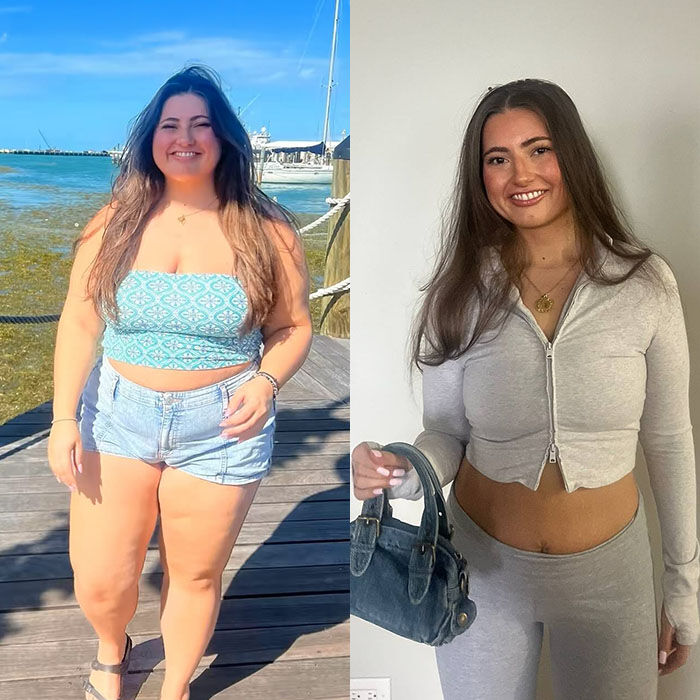
Anna (Berlin) - 21 Kilo
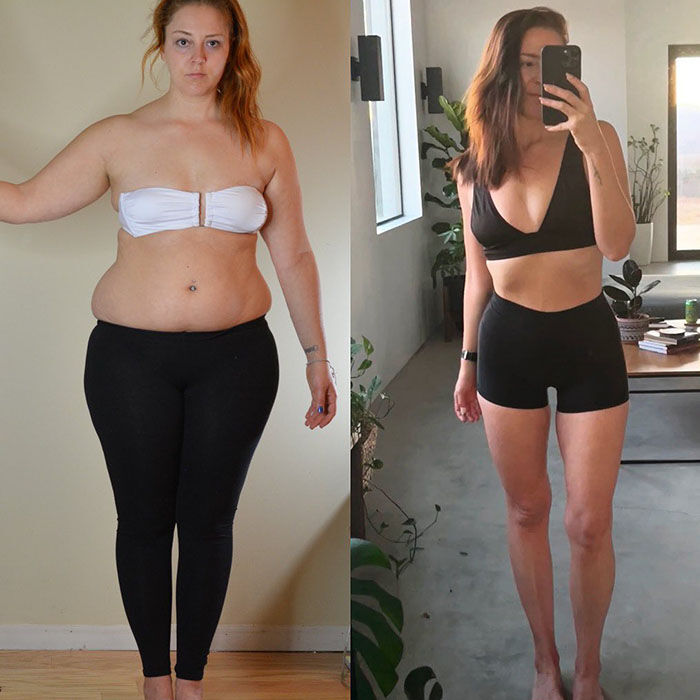
Maria (München) - 21 Kilo
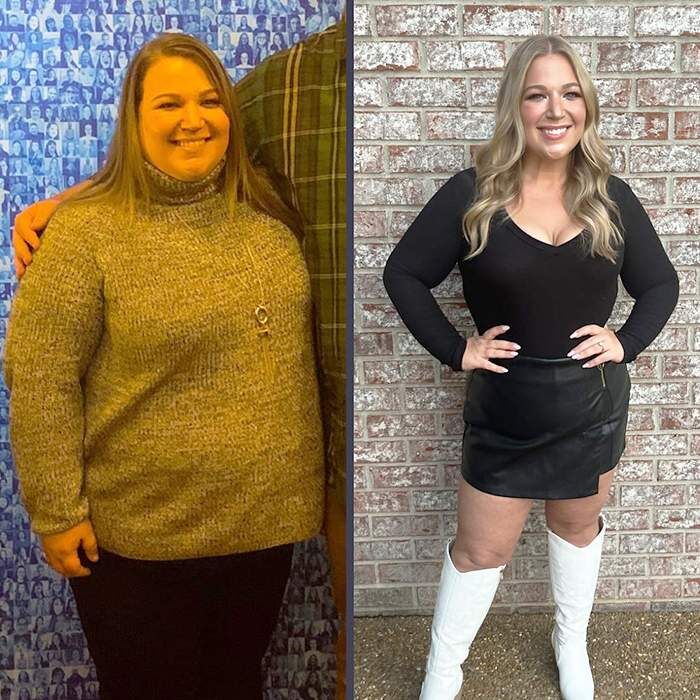
Violetta (Hannover) - 24 Kilo
WEGO6 ist ohne Rezept in Deutschland erhältlich
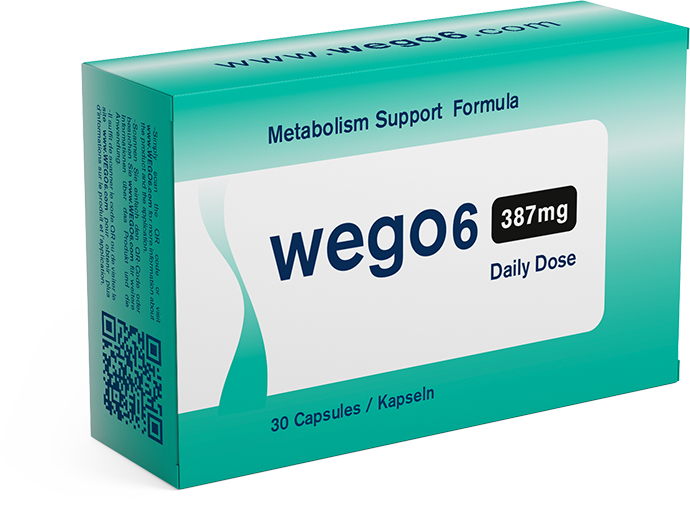
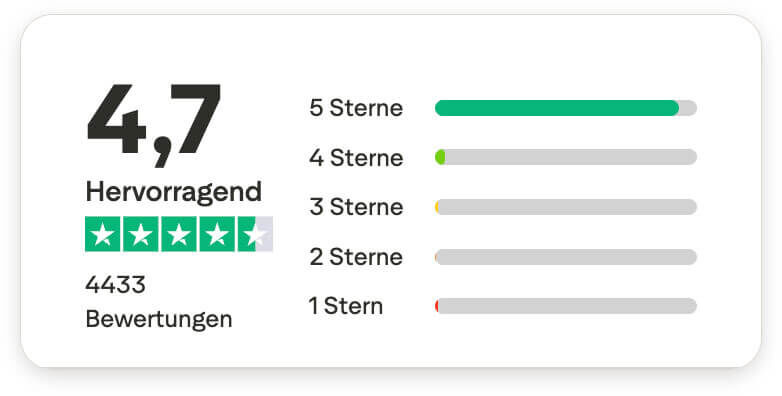
Derzeit ab 36,95 € pro Monatspackung → direkt beim Hersteller von WEGO6
Kein Rezept erforderlich.
Stand: Dezember 2025
13 KommentareKommentar hinzufügen

Habe letztens in der Frauenzeit gelesen, dass eine Schauspielerin wegen Nadelphobie keine Wegovy-Spritzen nehmen wollte und stattdessen WEGO6 ausprobiert hat. Hat richtig gut funktioniert bei ihr.
Antwort · 12 · Gefällt mir · Beitrag folgen · 01.12.2025

Habe WEGO6 vor 3 Tagen von meiner Freundin bekommen – merkt man sofort: kein Heißhunger mehr und deutlich weniger Hunger den ganzen Tag. ❤️
Antwort · 15 · Gefällt mir · Beitrag folgen · 02.12.2025

6 kg in einem Monat runter – und ich hab bestimmt 4× vergessen zu nehmen 😂
Antwort · 6 · Gefällt mir · Beitrag folgen · 03.12.2025

Eben bestellt.... mal gucken was passiert...
Antwort · 2 · Gefällt mir · Beitrag folgen · 03.12.2025

Hey! Wie lange hat bei dir die Lieferung gedauert?
Antwort · 1 · Gefällt mir · Beitrag folgen · 05.12.2025
Hi Ulla.... hat bei mir 2 Tage gedauert und die waren da. 🤩🤩
Antwort · 4 · Gefällt mir · Beitrag folgen · 05.12.2025

Muss man bei der Kur auf bestimmte Lebensmittel verzichten?
Antwort · 1 · Gefällt mir · Beitrag folgen · 04.12.2025

Ich habe WEGO6 genommen und 19 kg abgenommen. Danach nicht wieder zugenommen – echt top!
Antwort · 4 · Gefällt mir · Beitrag folgen · 05.12.2025

Von einer Freundin empfohlen bekommen – bin super zufrieden. Keine Nebenwirkungen, einfach anzuwenden.
Antwort · 8 · Gefällt mir · Beitrag folgen · 05.12.2025

Seit 15 Tagen dabei und schon 4 kg runter ohne Sport. Mit mehr Bewegung wird’s bestimmt noch einfacher.
Antwort · 2 · Gefällt mir · Beitrag folgen · 06.12.2025

Kann man das auch als Mann anwenden?
Antwort · 1 · Gefällt mir · Beitrag folgen · 06.12.2025

Klar. Mein Freund hat es benutzt und es hat echt gut bei ihm geklappt und ich habe jetzt auch damit angefangen.
Antwort · 1 · Gefällt mir · Beitrag folgen · 06.12.2025

Ich kann keine Tabletten schlucken und Nadeln erst recht nicht… aber WEGO6 ist easy und ich hab schon 3 kg runter.
Antwort · 1 · Gefällt mir · Beitrag folgen · 06.12.2025